November 4, 2026
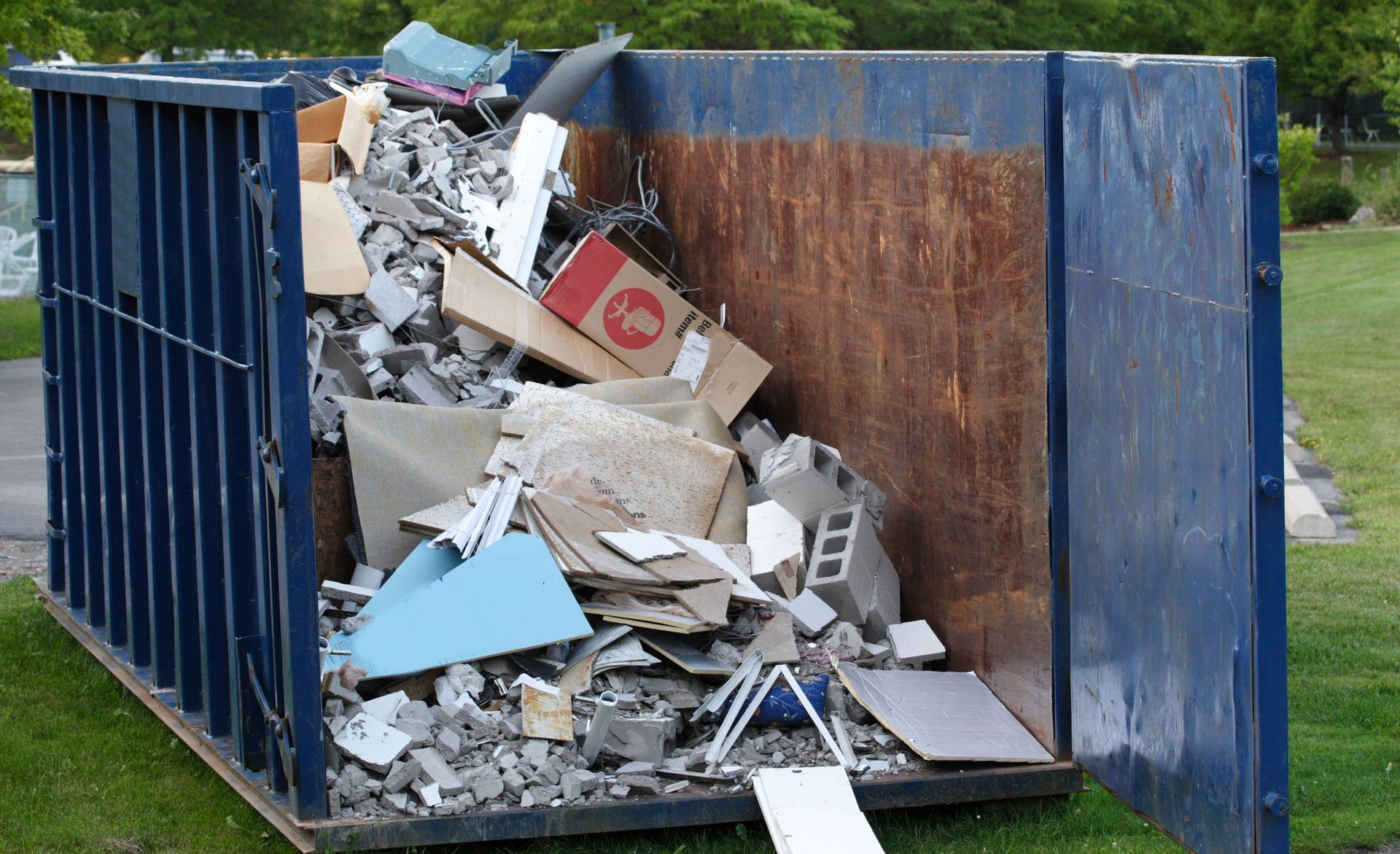
Tackling a major cleanout, managing a full-scale home renovation, or overseeing a demanding construction site inevitably produces one common challenge: overwhelming amounts of debris. When standard residential trash bins cannot handle the sheer volume of drywall, timber, shattered tile, or discarded furniture, waste disposal requires a far more robust solution. Securing an open-top container directly on your property streamlines cleanup, minimizes safety hazards, and spares you dozens of inconvenient trips to a local transfer station.
Renting heavy-duty waste equipment may seem straightforward at first glance, yet navigating sizes, weight thresholds, spatial constraints, and local rules requires thoughtful planning. Understanding how container rental works ensures your project proceeds smoothly, stays well within budget, and avoids costly complications. Here is an in-depth breakdown of everything required to orchestrate a seamless cleanup experience from initial delivery to final haul-away.
Choosing the Right Container Size
Selecting an appropriate container volume represents the foundation of any successful cleanup endeavor. Rental containers are universally quantified in cubic yards, which measures the total interior volume of the vessel. For instance, a ten-yard container holds roughly three to four standard pickup truck beds worth of material, making it ideal for compact projects such as bathroom remodels, attic decluttering, or small patio tear-outs. Medium options, such as twenty-yard containers, accommodate larger undertakings including whole-house carpet removal, extensive kitchen renovations, or large deck demolitions.
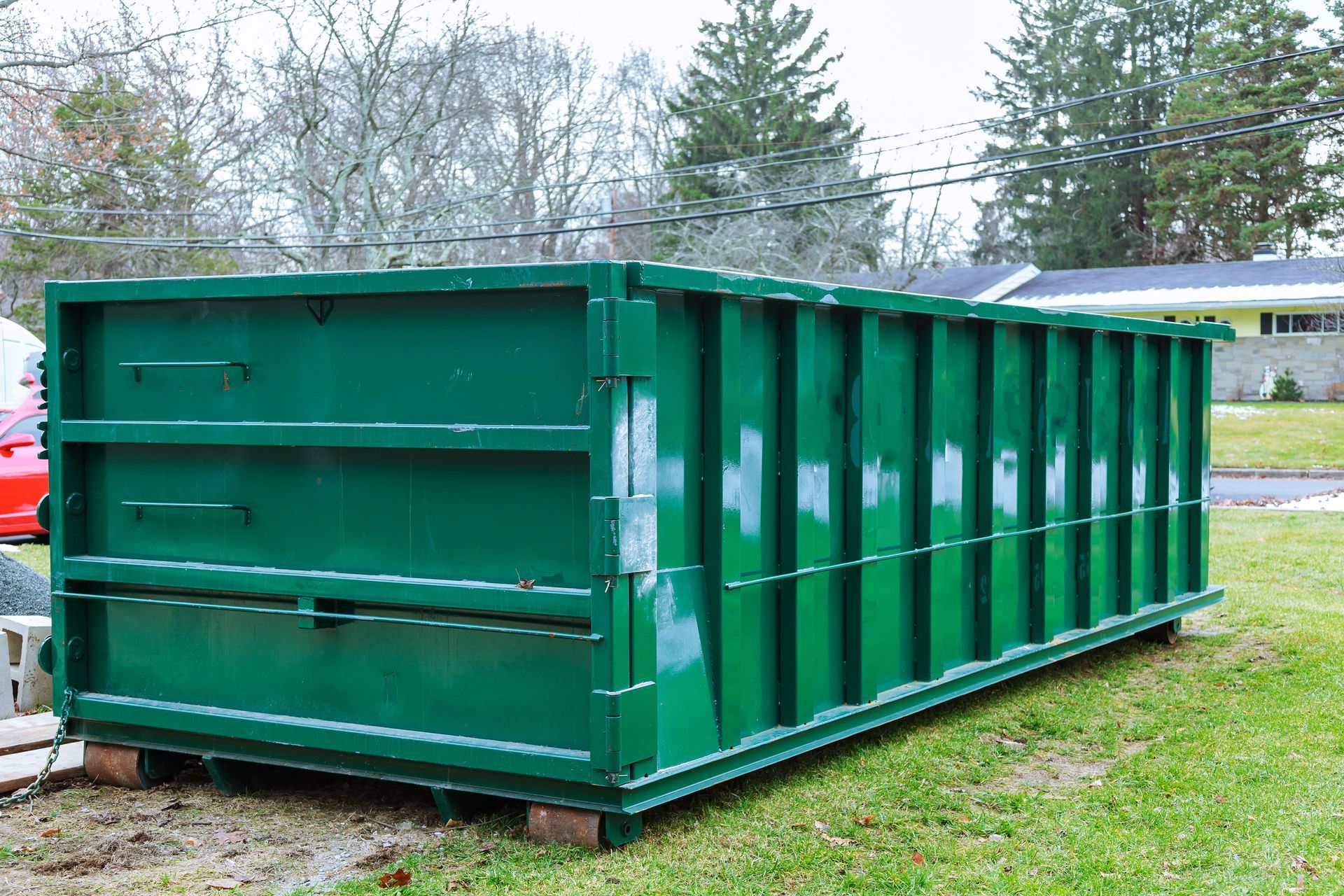
When major structural overhauls or extensive commercial renovations take place, thirty-yard and forty-yard options provide the necessary capacity for bulky structural materials, substantial framing lumber, and massive demolition rubble. Physical dimensions expand as capacity rises, directly influencing how a container fits into your driveway or designated staging area. According to Homeguide, most dumpsters are 7.5 feet wide, and their height typically starts at 3.5 feet and goes up from there to around eight feet as their length increases. Assessing your anticipated debris volume beforehand prevents the frustration of overfilling a small container or paying unnecessary premiums for space.
Estimating the Total Debris Weight
Visual volume represents only half of the disposal equation because weight limits dictate both transport safety and final disposal fees. Every roll off dumpster comes with a designated weight allowance predetermined by road safety regulations, hydraulic equipment limits, and landfill disposal fee schedules. Lightweight materials such as cardboard boxes, drywall scraps, old mattresses, and loose wood chips occupy substantial space without accumulating excessive tonnage. In sharp contrast, dense materials like concrete fragments, brick, asphalt shingles, soil, and gravel reach weight thresholds very rapidly.
Exceeding the permitted weight allowance leads to expensive overage charges charged per ton at the disposal scale. In extreme cases, a massively overloaded container cannot be lifted safely onto the transport truck, forcing you to manually shovel or unload heavy materials on site. Before scheduling your rental, evaluate the composition of your discarded items and communicate directly about heavy aggregate materials so your provider can establish reasonable weight thresholds or recommend specialized heavy-material bins.
Preparing the Property Drop Zone
Coordinating delivery requires designating and preparing a clear, unobstructed staging zone well before the transport truck arrives. Delivery vehicles require ample overhead clearance to raise their hydraulic hoists and roll off dumpster units without snagging low-hanging telephone cables, electrical power lines, or tree branches. You must ensure a straight approach path that remains free from parked personal vehicles, stray delivery packages, children's toys, and low structures.
Driveway protection serves as another vital preparation priority during property staging. Heavy steel containers and the substantial trucks carrying them exert concentrated pressure onto residential surfaces. Placing wide, thick wooden boards or heavy-duty plywood strips beneath the container wheels distributes the load evenly, preventing gouges, scratches, or stress cracks on concrete and asphalt driveways. Clear communication about the precise placement location ensures the delivery driver sets the unit safely without blocking garage entrances, pedestrian walkways, or essential utility meters.
Navigating the Local Permit Requirements
Placing waste containers on private property rarely requires official municipal paperwork, but public space placement introduces different legal guidelines. Whenever spatial limitations necessitate setting a container on a municipal street, public sidewalk, or city alley, local government authorities generally require an encroachment or street use permit. These local ordinances exist to guarantee roadway safety, preserve pedestrian walkways, prevent blind spots at traffic intersections, and manage street sweeping operations.
Permitting regulations, processing fees, and application timelines vary widely by municipality. Some municipal offices require the property owner to apply directly weeks in advance, while in other jurisdictions, licensed waste haulers file the paperwork on your behalf. Additionally, if your property resides within a planned neighborhood governed by a homeowners association, internal covenants may dictate acceptable placement windows, visible screening requirements, or specific weekend drop-off limitations. Confirming these rules beforehand safeguards you against surprise fines and sudden municipal removal orders.
Identifying the Restricted Disposal Materials
Maintaining legal and environmentally sound waste operations means knowing which items can safely enter a communal landfill. Standard construction lumber, roofing shingles, cabinetry, plumbing pipes, general household trash, and packaging materials pose no environmental threat and are welcomed inside standard containers. However, state environmental protection acts strictly forbid hazardous materials, chemical compounds, and flammable liquids from entering ordinary waste streams.
Prohibited items universally include wet paint cans, motor oil, liquid pesticides, car batteries, propane tanks, chemical solvents, and tires. Placing hazardous contaminants inside your container introduces severe environmental liabilities, contaminates whole truckloads of recyclable rubble, and results in steep sorting penalties from disposal facilities. Setting restricted items aside for specialized county household hazardous waste drop-off events preserves safety and prevents unexpected disposal surcharges.
Loading the Materials with Care
Loading waste efficiently requires strategic physical placement rather than tossing items haphazardly over the metal rim. Open-top containers feature swinging rear swinging doors that latch securely during transport. Opening these doors during the initial loading phase allows you to walk large, unwieldy items directly inside rather than lifting them over high steel sidewalls. Distributing weight evenly across the entire steel floor stabilizes the container and keeps the transport truck balanced during transit.
Packing flat items such as disassembled cabinetry, plywood sheets, and flattened cardboard at the base maximizes interior space and eliminates empty pockets. As the container fills, stack medium items snugly and utilize loose, smaller rubble to pack remaining air gaps. Always maintain a completely level load that never rises above the top edge or spills over the exterior sidewalls. Federal transportation safety laws require haulers to tarp containers before driving on public highways, and drivers will decline pickup if debris exceeds the physical rim.
Securing a dependable, durable roll off dumpster transforms complicated demolition cleanups and extensive residential renovations into straightforward, organized projects. Having a designated place to discard construction debris, broken concrete, damaged drywall, and household clutter keeps your job site safe, organized, and compliant with local waste regulations. From matching container dimensions to your specific material volume to protecting your paved driveway from unnecessary surface stress, executing each stage with proper foresight guarantees exceptional results.
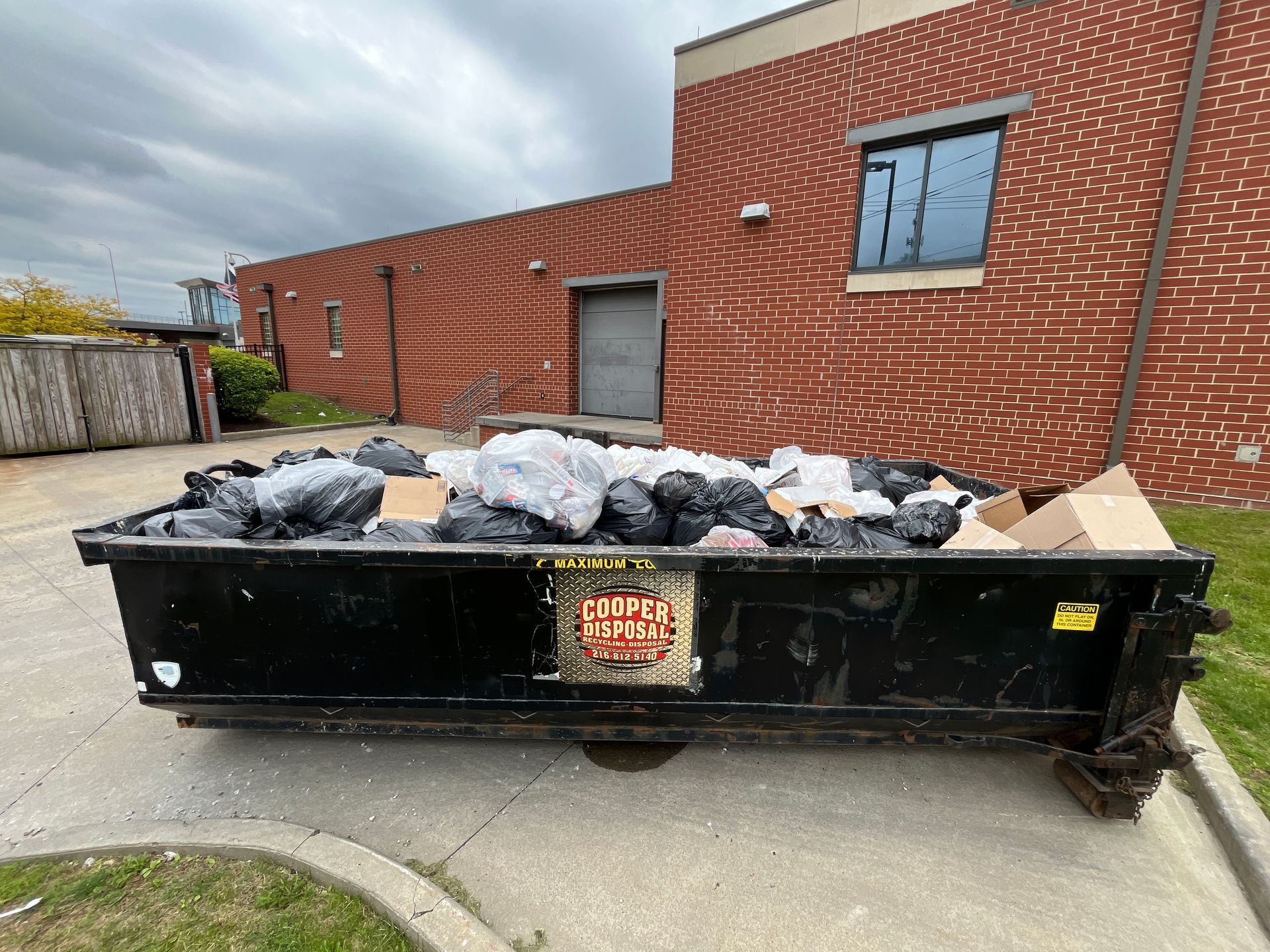
When your residential or commercial project demands prompt delivery, clear pricing, and reliable service, turn to Cooper Disposal. As a premier provider of roll off dumpster services, our team offers a versatile inventory of containers matched with professional guidance to keep your site clean and compliant. Contact Cooper Disposal today to reserve your roll off dumpster, secure a transparent quote, and keep your cleanup project moving forward on time and on budget.